
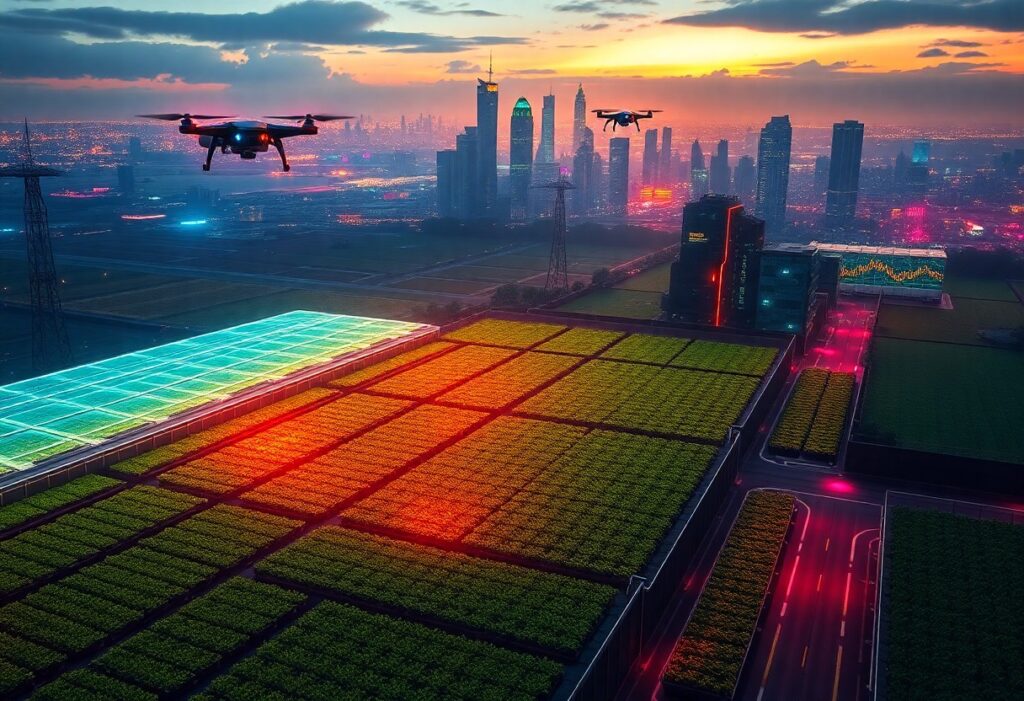
Agriculture on the Central Coast is rapidly evolving, and integrating AI technologies can significantly enhance your operational efficiency. By leveraging smart solutions, you can improve crop management, optimize resource allocation, and ultimately boost your productivity. This blog post will explore how you can incorporate AI tools into your farming practices, transforming the way you operate and increasing your sustainability. Embracing these innovations positions you as a forward-thinking agriculturist ready to tackle the challenges of today’s market.
Key Takeaways:
- Utilizing AI can improve crop management and resource allocation, leading to enhanced productivity.
- Streamlined supply chain operations can reduce waste, ensuring fresher produce reaches the market faster.
- Data analytics can provide insights into consumer trends, enabling better marketing strategies and product offerings.
Understanding the Central Coast Agriculture Landscape
The Central Coast agriculture landscape is distinguished by its diverse microclimates and rich soil, fostering a variety of high-value crops. From vineyards to berry farms, this region produces some of the most sought-after commodities, benefiting from the natural resources and optimal growing conditions. You can find everything from organic vegetables to specialty fruit and wine grapes, all thriving in this unique environment.
Key Crops and Varieties
Key crops in the Central Coast include strawberries, avocados, and grapes, each requiring specific care and attention throughout their growing cycles. The region is particularly famous for its premium wine production, with varietals like Chardonnay and Pinot Noir excelling in the local climate. Understanding these crops and their varieties helps you make informed decisions for successful cultivation.
Challenges Faced by Local Farmers
Local farmers encounter several challenges that impact their operations. Issues such as water scarcity, fluctuating market prices, and labor shortages are prevalent. These factors complicate your planning and operational efficiency and can erode profit margins.
Water scarcity remains a pressing concern, particularly during dry seasons, significantly affecting crop yields. The environmental regulations also add pressure, requiring strict adherence to sustainable practices. In addition, rising *labor costs*, combined with an unreliable workforce, make it difficult for you to maintain an adequate workforce necessary for harvesting and managing your crops. These continuous challenges underscore the urgent need for innovative agricultural solutions and strategies to enhance resilience in your operations.
The Role of AI in Modern Agriculture
AI revolutionizes agricultural practices, enabling you to enhance efficiency and output. With tools such as machine learning and predictive analytics, AI helps you anticipate crop yields, optimize resource allocation, and mitigate risks associated with climate variability. By integrating smart technologies into your operations, you can streamline workflows, reduce costs, and increase overall sustainability, fostering a more resilient agricultural ecosystem.
Precision Farming Techniques
Utilizing AI-driven precision farming techniques allows you to apply inputs more effectively, leading to significant resource savings. By deploying drones and sensors, you can collect real-time data about soil conditions, crop health, and moisture levels. This approach enables targeted interventions, ensuring that every acre of your farm is maximized for productivity while minimizing environmental impact.
Data-Driven Decision Making
Employing data-driven decision-making transforms how you manage and operate your farm. By analyzing vast datasets from various sources, including weather patterns and market trends, you can make informed decisions that enhance productivity and profitability. This approach empowers you to identify optimal planting times, adjust irrigation schedules, and forecast market demand effectively.
With data-driven decision-making, you can leverage predictive analytics to forecast yield outcomes based on historical trends and current conditions. For instance, by examining data from previous seasons, you might discover that certain crop varieties perform better in specific weather conditions, allowing you to tailor your planting strategies accordingly. Additionally, tracking real-time market data helps you determine the best times to sell, maximizing your profit margins. Integrating these insights into your operations ensures that you are not only reactive but also proactive in your agricultural practices, paving the way for sustained success.

Streamlining Operations with Technology
Utilizing technology effectively allows you to streamline operations and improve overall productivity. By integrating software solutions designed for agriculture, you can automate repetitive tasks, enhance communication, and better monitor your crops. This transformation leads to reduced manual labor, increased accuracy in data collection, and overall cost savings, making your farming practices more efficient and sustainable.
Workflow Automation
Workflow automation enables you to optimize operational processes by minimizing manual intervention. By implementing systems that automate tasks such as irrigation scheduling, nutrient management, and record-keeping, you free up valuable time. These technologies can generate reminders, analytics reports, and alerts, allowing you to make informed decisions quickly while focusing on higher-value activities.
Supply Chain Optimization
Optimizing your supply chain enhances product delivery efficiency and reduces waste. By leveraging data-driven insights, you can monitor inventory levels, forecast demand, and identify the best distribution practices. This enables you to maintain a timely and cost-effective flow from production to market, while responding rapidly to changes in consumer demand.
For instance, utilizing AI-powered logistics software allows you to analyze real-time data and predict optimal shipping routes. This can reduce transportation costs by up to 20% and minimize spoilage during transit. Additionally, collaborating with local distributors can streamline your supply chain, creating partnerships that drive down costs and ensure fresher produce reaches your customers swiftly. Embracing these optimization strategies not only enhances your operational efficiency but also strengthens your market position.
Case Studies: Success Stories in the Central Coast
In the Central Coast, innovative approaches are yielding remarkable results. Various farms have adopted advanced technologies, showcasing the benefits that come from integrating AI and data analytics into agricultural practices.
- Agriculture Co-op A: Increased yield by 20% after implementing precision farming techniques.
- Farm B: Reduced operational costs by 15% using AI-driven resource management.
- Vineyard C: Improved water usage efficiency by 30% with smart irrigation systems.
- Orchard D: Enhanced pest control measures led to a 40% decrease in crop damage.
Innovative Practices
Your approach includes employing cutting-edge technologies such as drones for crop monitoring and AI algorithms for predicting market trends. These innovative practices not only enhance operational efficiency but also contribute to sustainable farming methods.
Measurable Outcomes
By adopting these innovations, you can witness measurable outcomes that directly impact productivity and profitability. Data collected reveals significant improvements in resource management and crop quality.
Farms utilizing technology report an uptick in yield and a reduction in resource wastage. For instance, those employing smart irrigation systems showcase 30% improvement in water use efficiency, while AI-driven analytics foster better decision-making, leading to average revenue hikes of 15% across various sectors. These statistics highlight the tangible benefits of integrating technology into your agricultural practices.
Future Trends in Agricultural Technology
As you look ahead, innovative trends in agricultural technology are set to reshape how you manage your operations. The integration of advanced sensor systems, drone monitoring, and big data analytics will provide real-time insights, allowing for precision farming practices. These technologies promise not only to enhance productivity but also to facilitate informed decision-making, ensuring you stay competitive in a rapidly evolving industry.
Emerging AI Solutions
You can leverage emerging AI solutions for predictive analytics, which help forecast crop yields and pest invasions more accurately. By utilizing machine learning algorithms, you’ll gain insights into weather patterns and soil conditions, enabling you to make data-driven decisions, reduce waste, and optimize your resource use more effectively.
Sustainability and Environmental Impact
Adopting AI-driven solutions directly contributes to your sustainability goals by minimizing resource consumption and maximizing output efficiency. By utilizing precision agriculture techniques, such as targeted irrigation and nutrient management, you can significantly reduce your carbon footprint and enhance biodiversity on your farm.
AI’s role in promoting sustainability extends beyond simple efficiency; it empowers you to monitor and manage environmental impacts in real-time. For instance, employing drone technology allows you to assess soil health and crop vitality swiftly. By implementing AI-based tools like automated irrigation systems, water usage can decrease by up to 40%, conserving vital resources while maintaining optimal crop health. Moreover, machine learning can help predict adverse environmental conditions, allowing you to adapt practices proactively. As a result, you not only boost your productivity but also contribute positively to the ecosystem around the Central Coast.
Recommendations for Local Agriculturists
To enhance your agricultural operations, consider adopting innovative practices and technologies. These recommendations focus on optimizing efficiency and fostering stronger community ties. By implementing AI tools and creating a supportive network, you can navigate challenges while boosting productivity. It’s imperative to stay informed and connected to leverage the full potential of modern agriculture on the Central Coast.
Implementing AI Tools
Incorporating AI tools is vital for optimizing your farming practices. Utilizing machine learning algorithms can help analyze soil health, predict crop yields, and automate irrigation systems. For example, precision agriculture technologies enhance resource management, allowing you to minimize waste while maximizing output. Implementing these tools provides you a substantial edge in today’s competitive market.
Building a Supportive Community
Establishing a supportive community among local agriculturists fosters collaboration and knowledge sharing. By forming networks or co-ops, you can exchange best practices, share resources, and access collective buying power. Connecting with local universities or agricultural extension services also enhances your access to research and innovation, leading to improved techniques that benefit everyone involved.
A supportive community accelerates your growth as it allows for shared experiences in overcoming challenges. Local farmer groups often organize workshops and seminars to discuss advancements in technology, including AI applications relevant to the Central Coast. Joining these groups can keep you informed and engaged, turning isolated practices into collaborative solutions that elevate the entire agricultural sector in your region. This synergy empowers you and your fellow agriculturists to innovate and thrive together amidst evolving agricultural landscapes.
Summing up
Drawing together the insights from the intersection of technology and agriculture, you can leverage AI tools to enhance your farm operations on the Central Coast. By streamlining processes such as crop monitoring, supply chain management, and labor allocation, your efficiency and productivity can significantly improve. Embrace the potential of innovation, ensuring you stay competitive in an evolving market. For further information, explore Artificial Intelligence in Agro-Food Systems: From Farm to ….
Q: How can AI help Central Coast agriculturists manage their crops more efficiently?
A: AI can analyze weather patterns, soil conditions, and crop health data to offer insights that optimize planting schedules, irrigation, and fertilization, leading to better yields and resource management.
Q: What are the benefits of implementing farm-to-table practices in Central Coast agriculture?
A: Farm-to-table practices can enhance local food quality, reduce transportation costs, and strengthen community ties. This approach promotes sustainability and encourages consumers to support local farmers.
Q: What technology should Central Coast farmers consider adopting for streamlining operations?
A: Farmers should consider adopting precision agriculture tools, such as drones for monitoring fields, IoT sensors for real-time data collection, and farm management software for seamless operations and data integration.