

AI technology is revolutionizing the way you approach farming and viticulture on the Central Coast. By integrating automated systems into your harvest strategy, you can enhance efficiency and reduce labor costs, while minimizing human error. Yet, with rapid advancements come the challenges of adapting to new systems and ensuring data security. Embracing these AI solutions not only improves your productivity but also positions your farm or vineyard to meet evolving consumer demands more effectively.
With the rise of AI technologies, you can transform the way your Central Coast farm or vineyard operates. By integrating these innovative solutions, you enhance efficiency while significantly reducing labor costs and improving crop quality. Embracing automation not only streamlines your harvest process but also positions you ahead in a competitive market, ensuring your produce meets ever-increasing consumer demands. As you explore these advancements, you’ll find that adopting AI can lead to remarkable economic benefits for your agricultural practices.

Key Takeaways:
- AI can optimize yield predictions and enhance crop management practices in Central Coast farms and vineyards.
- Automation helps reduce labor costs and increases efficiency in harvesting processes.
- Data-driven insights from AI tools improve decision-making for resource allocation and sustainability.
Key Takeaways:
- AI solutions enhance efficiency in harvesting processes for farms and vineyards on the Central Coast.
- Automation technologies, such as robotics and data analytics, improve yield quality and reduce labor costs.
- Implementing AI can lead to better resource management and sustainability in agricultural practices.
The Role of AI in Agriculture
AI is reshaping agriculture by enabling precision farming techniques that vastly improve productivity. Through advanced data analysis and machine learning, you can gather insights into soil health, weather patterns, and plant growth conditions. These technologies drive efficiency and sustainability, ensuring your farming practices are both profitable and environmentally friendly.
Overview of AI Technologies
AI technologies in agriculture include machine learning algorithms, computer vision, and robotics. These tools facilitate tasks such as crop monitoring through drones, predictive analytics for yield forecasting, and automated harvesting systems. Each technology contributes to a more streamlined operation, allowing you to focus on strategic decision-making.
Benefits of AI for Farms and Vineyards
Implementing AI can significantly enhance operational efficiency in your farm or vineyard. By utilizing AI-driven systems, you can accurately predict crop yields, optimize resource usage, and minimize waste. Moreover, these technologies can lead to enhanced quality control and better pest management, ultimately improving your bottom line.
The benefits of AI extend beyond mere efficiency; they also transform how you manage your land. For example, using AI to monitor vineyard health can help you identify diseases early, reducing crop loss by up to 30%. Similarly, AI-powered irrigation systems adjust water levels according to real-time soil moisture data, which can lead to a 20% reduction in water consumption. By adopting AI, you’re not just leveraging technology; you’re embracing a holistic approach to sustainable farming that positions you ahead of the curve in an increasingly competitive market.
Overview of AI in Agriculture
AI is revolutionizing agricultural practices by integrating advanced technologies that enhance efficiency and productivity. You will find that farmers are increasingly leveraging AI-driven tools for crop monitoring, soil health analysis, pest management, and yield prediction. These innovative solutions enable more precise decision-making, ultimately leading to improved sustainability and profitability on the Central Coast.
Definition and Importance
AI in agriculture refers to the use of artificial intelligence technologies to optimize farming operations. This approach is imperative as it allows you to address challenges like labor shortages, climate change, and fluctuating market demands. The importance of AI lies in its ability to analyze vast amounts of data quickly, providing actionable insights that elevate your farming strategy.
Current Trends and Innovations
Current trends in AI agriculture include machine learning for predictive analytics, drones for crop surveillance, and robotics for harvesting. You may notice that businesses are adopting AI tools that improve precision agriculture, enabling targeted interventions based on real-time data. Innovative startups are developing applications that optimize irrigation and pest control, significantly reducing resource wastage.
Notably, machine learning platforms are gaining traction, allowing you to interpret satellite imagery for monitoring crop health and predicting yield outcomes. Drones equipped with AI systems can survey fields autonomously, providing you with high-resolution data that helps detect issues before they escalate. Additionally, robotic harvesters are being designed to work alongside human laborers, tackling the growing shortage of agricultural workers. By embracing these innovations, you can enhance operational efficiency and drive greater sustainability in your farming practices.
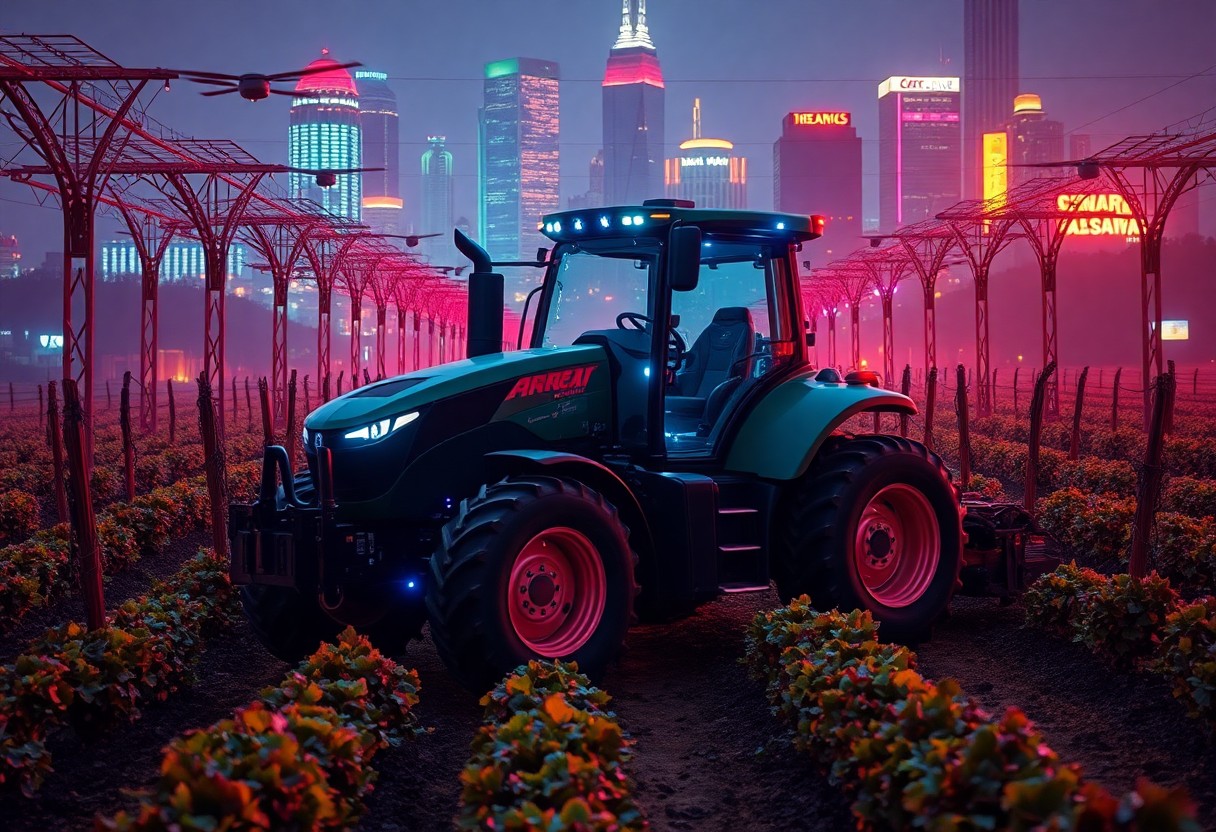
Precision Agriculture Solutions
Precision agriculture leverages advanced technologies to maximize the efficiency of your farming operations. By utilizing data-driven insights and tailored techniques, you can increase yields while minimizing resource waste. This approach not only enhances productivity but also supports sustainable practices, vital for the future of Central Coast farms and vineyards.
Drone Technology
Drones provide you with aerial imagery and real-time data analysis, allowing for precise monitoring of crop health and field conditions. By deploying drones equipped with advanced sensors, you gather valuable information that helps you identify issues such as pest infestations or nutrient deficiencies early on, optimizing your intervention strategies.
Sensor Networks
Implementing sensor networks allows for continuous tracking of environmental conditions across your fields. These sensors measure parameters like soil moisture, temperature, and humidity, enabling you to make informed decisions regarding irrigation and fertilization. With this granular data, you’ll improve crop health and resource efficiency significantly.
Advanced sensor networks can be integrated into your irrigation systems to provide real-time feedback and automate watering schedules. For instance, soil moisture sensors send alerts when irrigation is necessary, ensuring that your crops receive optimal water without waste. This technology can reduce water usage by up to 30%, showcasing a significant cost-saving opportunity while promoting sustainable practices. As you incorporate these smart sensors, your operational efficiency will enhance, and your ability to respond to changing conditions will improve.
AI Solutions for Harvesting
AI-driven solutions are revolutionizing the harvesting process, making it more efficient and less labor-intensive. By implementing cutting-edge technology, you can boost productivity while ensuring the quality of your crops. From automated systems to data analysis, these innovations allow you to make informed decisions, ultimately enhancing your harvest outcomes.
Automated Harvesters
Automated harvesters utilize AI algorithms to identify the optimal time for harvesting and execute the process with precision. These machines are able to differentiate between ripe and unripe produce, which minimizes waste and maximizes yield. As a result, you can significantly reduce labor costs while increasing efficiency in your harvesting operations.
Precision Agriculture Tools
Precision agriculture tools leverage AI technology to gather and analyze data related to soil health, crop conditions, and weather patterns. These insights empower you to make strategic decisions about irrigation, fertilization, and pest control, leading to healthier crops and better yields. You can optimize resources and improve overall farm management through targeted applications.
Examples of precision agriculture tools include drone technology for aerial crop monitoring, enabling you to assess large areas quickly, and soil sensors that provide real-time data on nutrient levels. These tools allow you to tailor your farming practices to the specific needs of your crops, thereby enhancing efficiency and yield. Additionally, utilizing machine learning algorithms can further refine your planting schedules and resource allocations, directly impacting your profitability. By integrating these solutions, you’re not just keeping up with the industry; you’re leading it.
Automating the Harvest Process
Automation in the harvest process significantly streamlines operations, saving both time and labor costs. By integrating intelligent machinery and systems, you can enhance productivity while ensuring the quality of your crops remains high. This shift not only optimizes labor but also minimizes waste, which is imperative in maintaining profitability in competitive markets.
Robotic Harvesters
Robotic harvesters are transforming how you approach the harvesting of fruits and vegetables. These machines utilize advanced sensors and AI algorithms to identify ripe produce, allowing them to work efficiently and accurately throughout the harvest season. With the capability to operate in various weather conditions, they increase your harvesting capacity while reducing reliance on manual labor.
AI-Powered Sorting Systems
AI-powered sorting systems enhance the post-harvest process by rapidly analyzing and categorizing your produce based on quality and size. By employing sophisticated machine learning algorithms, these systems can improve sorting accuracy and speed, ensuring that only the best products reach the market.
Investing in AI-powered sorting systems can elevate your operation’s efficiency significantly. For instance, these systems can process thousands of fruits per hour, using cameras and sensors to detect color, size, and surface defects. With a sorting accuracy rate exceeding 95%, you minimize losses and maximize your product’s market value. Farmers who have integrated these solutions report 10-15% increases in revenue as a result, demonstrating not just operational benefits but also a strong return on technology investments.
Benefits of AI in Central Coast Farms
Implementing AI technologies in Central Coast farms offers numerous benefits that enhance operational efficiency and sustainability. By leveraging data-driven insights, you can make informed decisions that optimize resource use, improve crop management, and elevate your overall productivity. Embracing these innovations not only positions your farm for immediate gains but also establishes a foundation for long-term resilience in an ever-evolving agricultural landscape.
Increased Efficiency and Productivity
AI tools streamline various processes, allowing you to monitor crop health and soil conditions in real time. With precision agriculture, you can tailor your interventions, leading to improved yield rates. For instance, utilizing drones equipped with AI technology can provide aerial imagery for early detection of pests or nutrient deficiencies, enabling quicker responses to issues that could compromise your harvest.
Cost Reduction and Resource Management
AI significantly helps in minimizing waste and optimizing input use, translating to substantial cost savings for you. By analyzing data on weather patterns and soil health, AI systems recommend precise irrigation schedules and fertilizer applications tailored to your crops’ needs. This targeted approach not only cuts down on unnecessary expenses but also conserves water and nutrients, promoting sustainable farming practices.
For example, by adopting AI-powered irrigation systems, studies have shown usage reduction of up to 40% while maintaining crop health. This efficiency allows you to allocate resources more sensibly, right-size your workforce, and even reduce energy costs associated with traditional agricultural practices. Utilizing AI not only empowers you to manage expenses effectively but also aligns your farm with sustainable environmental goals, ensuring a balanced approach to farming that benefits both your bottom line and the local ecosystem.
Case Studies from the Central Coast
Examining specific implementations of AI in local vineyards and farms reveals significant insights into practical applications and results achieved.
- Farm A: Implemented AI-driven predictive analytics, resulting in a 20% increase in yield.
- Winery B: Utilized robotics for grape picking, reducing labor costs by 30%.
- Farm C: Employed drone technology for monitoring, improving water usage efficiency by 25%.
- Vineyard D: Integrated AI for pest detection, leading to a 15% reduction in pesticide use.
- Farm E: Adopted automated irrigation systems, resulting in a 40% decrease in water waste.
Success Stories
These case studies illustrate the tangible benefits of AI in agriculture. For instance, Winery B’s implementation of robotics has allowed for more efficient harvesting, yielding higher quality grapes at a lower cost. Similarly, Farm A’s predictive analytics fostered better decision-making, resulting in a remarkable boost in production efficiency.
Challenges Encountered
Adopting AI technology has not come without its hurdles. Initial costs and the need for training can pose significant barriers, alongside the integration of new systems into established workflows. Furthermore, some farms experienced technological setbacks that delayed implementation timelines.
Many farms on the Central Coast faced substantial challenges when integrating AI technologies. High upfront costs often deter small-scale producers, and the complexity of training staff can lead to resistance. Additionally, the integration of new technologies into traditional farming practices can be complicated, requiring time and resources to adapt. As you explore these innovations, it’s crucial to navigate these potential pitfalls while planning for a sustainable technological transition.
Case Studies
Examining real-world applications of AI on the Central Coast provides valuable insights into how technology can optimize farming practices. The following case studies highlight the significant impacts of AI solutions:
- Santa Barbara Vineyards: Implemented an AI-driven irrigation system, resulting in a 20% reduction in water usage without sacrificing yield.
- SLO Farms: Employed drone technology for crop monitoring, improving detection of diseases and pests by 30%.
- Monterey Organic Farms: Integrated predictive analytics for harvest timing, leading to a 15% increase in quality and market sell-through rates.
- Avila Valley Vineyards: Used machine learning for soil health analysis, enhancing nutrient management and reducing fertilizer costs by 25%.
Success Stories from Local Vineyards
Your local vineyards demonstrate the tangible benefits of AI adoption. For instance, a vineyard in Paso Robles improved grape quality by using AI analytics to monitor weather and soil conditions, achieving a 10% increase in sugar content, which significantly enhanced wine flavor profiles and market value.
Lessons Learned from Implementations
Successful AI implementations offer imperative lessons for you. Understanding that technology alone doesn’t replace traditional practices is key; integrating AI requires a balance of tech and human expertise. Training staff to leverage AI tools fundamentally enhances the decision-making process, allowing for adjustments based on real-time data.
The experiences from various farms illustrate that engaging all stakeholders—from farmworkers to management—ensures a smoother transition to AI technologies. This collaborative approach fosters an environment of learning and innovation, ultimately enhancing overall productivity. Balancing AI’s analytical strengths with your hands-on knowledge creates a synergy that maximizes both quality and profits in agricultural operations.
Economic Impact
The economic impact of AI solutions on Central Coast farms and vineyards is profound, boosting productivity and profitability. As farmers adopt these technologies, they see higher yields and reduced costs, enhancing their competitive edge in the market. Analysts estimate that AI-driven automation can increase farm output by as much as 30% annually, transforming the financial landscape for local agribusinesses.
Cost Savings and Efficiency
Implementing AI technology leads to significant cost savings through optimized resource management. For instance, using AI-powered equipment reduces energy consumption and minimizes waste, ultimately leading to lower operating expenses. By automating time-consuming tasks, you can redirect your workforce towards more value-added activities, enhancing overall efficiency.
Labor Market Transformation
The infusion of AI in agriculture is reshaping the labor market by creating new opportunities while displacing some traditional roles. As you embrace advanced technologies, roles evolve from manual labor to more specialized positions requiring technical expertise. This shift not only demands a more skilled workforce but also offers the potential for higher wages and improved job satisfaction.
As AI becomes integral to farming operations, the demand for tech-savvy professionals will surge. Training programs and partnerships with educational institutions are necessary to equip the workforce with necessary skills, ensuring you have access to a talent pool capable of navigating a tech-driven agricultural landscape. Furthermore, you may find that higher demand for specialized roles can lead to wage increases, which would contribute positively to the local economy. Ultimately, a transformed labor market presents both challenges and opportunities that can benefit your farm or vineyard in the long run.
Challenges and Limitations
Implementing AI solutions in Central Coast farms and vineyards presents various challenges that must be acknowledged. These hurdles range from technological barriers to the need for workforce adaptation, which can slow down the integration of innovative practices. Understanding these limitations is crucial to ensure streamlined operations and to maximize the benefits of AI in agriculture.
Technological Barriers
While AI technology offers substantial advantages, you may encounter technological barriers that impede its adoption. Limited internet connectivity in rural areas can disrupt data transmission, while older equipment might not support advanced AI systems, causing compatibility issues. Additionally, the complexity of AI tools may require substantial investment in training and infrastructure before you can fully harness their potential.
Workforce Adaptation
Workforce adaptation is another significant challenge in integrating AI solutions. You might face resistance from employees who are accustomed to traditional farming methods or lack exposure to technological advancements. This cultural shift demands effective training programs to help your team embrace new tools, ensuring they understand how AI can enhance productivity and decision-making.
To facilitate workforce adaptation, consider implementing phased training workshops that align with your AI adoption timeline. Focus on hands-on experiences, demonstrating how AI can streamline daily tasks, such as crop monitoring and yield prediction. Invite automated technology experts to lead sessions, which can alleviate fears and build confidence in utilizing these tools. Engaging your employees in the change process not only fosters a positive attitude toward AI but also encourages collaborative problem-solving, ultimately making the transition smoother and more effective for your operations.
Future Trends in AI and Agriculture
As agriculture increasingly embraces AI, you’ll see transformative trends shaping the landscape. In the coming years, advanced machine learning algorithms will enhance predictive analytics, enabling farmers to anticipate crop yields and minimize risks. Automation will proliferate through autonomous vehicles and drones, streamlining operations from planting to harvesting. You can expect AI-driven platforms to offer unparalleled insights into soil health and pest management, making precision agriculture a norm, rather than an exception.
Emerging Technologies
Emerging technologies like blockchain and IoT devices are set to revolutionize farm management. Integrated sensor networks will allow you to monitor crop conditions in real-time, while blockchain can enhance traceability and transparency in the supply chain. As these technologies evolve, they’ll enable more efficient resource allocation, improving both productivity and profitability.
Sustainability Considerations
Sustainability in agriculture is paramount, and AI offers innovative solutions to help you minimize environmental impact. Techniques such as precision farming can reduce water usage and pesticide application, promoting healthier ecosystems. Additionally, AI can aid in identifying sustainable practices and improving soil health, ensuring that farming practices align with environmental regulations and consumer demands for eco-friendly products.
Integrating sustainability into your agricultural practices is imperative as consumer awareness rises. Utilizing AI can guide you in implementing regenerative agriculture techniques that restore soil health and increase biodiversity. For instance, AI-powered soil analysis can help you determine the best cover crops to plant, enhancing nutrient retention and minimizing erosion. Furthermore, AI can optimize resource usage, ensuring you apply just the right amount of fertilizers and water, thereby reducing runoff and conserving precious resources. By leveraging these technologies, you not only contribute to a healthier planet but also meet the growing demand for sustainable food production.
Future Prospects
The future of AI in Central Coast farming and viticulture looks promising, as continuous advancements are set to reshape the industry. You can expect an increase in crop yield and quality through the integration of AI technologies, which will not only enhance operational efficiency but also provide insights into consumer trends. As farms adopt these innovations, the demand for skilled labor may shift, underscoring the need for training in AI-related fields.
Emerging Technologies in AI
Emerging technologies in AI, such as machine learning algorithms and computer vision, are transforming how you manage crop health and optimize yields. For instance, remote sensing drones can analyze vineyard conditions in real-time, allowing you to make data-driven decisions swiftly. Such tools enhance precision agriculture and can significantly reduce resource waste.
Sustainability and Environmental Impact
Your incorporation of AI technologies can lead to increased sustainability in farming practices. By leveraging predictive analytics, you can optimize water usage and minimize pesticides, aligning with environmentally friendly initiatives.
Sustainability in Central Coast agriculture hinges on responsible practices, and AI offers innovative solutions to tackle these challenges effectively. For example, through precision irrigation systems, AI analyzes soil moisture levels to ensure optimal watering, reducing water consumption by up to 30%. Employing AI-driven pest management strategies also minimizes the use of harmful chemicals, creating healthier ecosystems around your crops. As you shift toward sustainable measures, not only do you comply with regulations, but you also attract environmentally conscious consumers, strengthening your market position.
Final Words
Summing up, by embracing AI solutions for your Central Coast farms and vineyards, you can enhance efficiency and sustainability in your agricultural practices. These advanced technologies streamline processes from planting to harvesting, allowing you to maximize yields while minimizing resource usage. Consider exploring Mendocino Farms & AI: Sustainable Ag Spraying In CA to gain insights on implementing these practices effectively, ensuring a bright future for your farming endeavors.
Summing up
Presently, embracing AI solutions in your Central Coast farms and vineyards can significantly enhance productivity and efficiency. By automating the harvest process, you can optimize labor costs and improve quality, ensuring that your yield meets market demands. This innovation not only streamlines operations but also allows you to focus on other critical aspects of your business. For more insights on how technology impacts viticulture, check out AI made its way to vineyards. Here’s how the technology is ….
FAQ
Q: What AI solutions are available for automating harvest processes on Central Coast farms and vineyards?
A: Various AI solutions include automated harvesting machines, crop monitoring drones, and predictive analytics software. These technologies enhance efficiency by allowing for precise harvesting times and optimizing labor resources, providing real-time insights into crop health, and ensuring timely interventions.
Q: How can AI improve crop yield and quality for farms and vineyards in the Central Coast region?
A: AI improves crop yield and quality by utilizing data-driven insights for better decision-making. With machine learning algorithms, farmers can analyze weather patterns, soil conditions, and pest activity to tailor their practices, leading to enhanced growth conditions and higher quality produce.
Q: What are the implementation challenges of AI solutions in agricultural practices?
A: Implementation challenges include high initial investment costs, the need for technical expertise, and resistance to change among traditional farming practices. Additionally, the integration of AI with existing systems may require substantial modifications and training for staff.